Defusing Road Rage: Smart Driving Tips for Staying Calm in Traffic
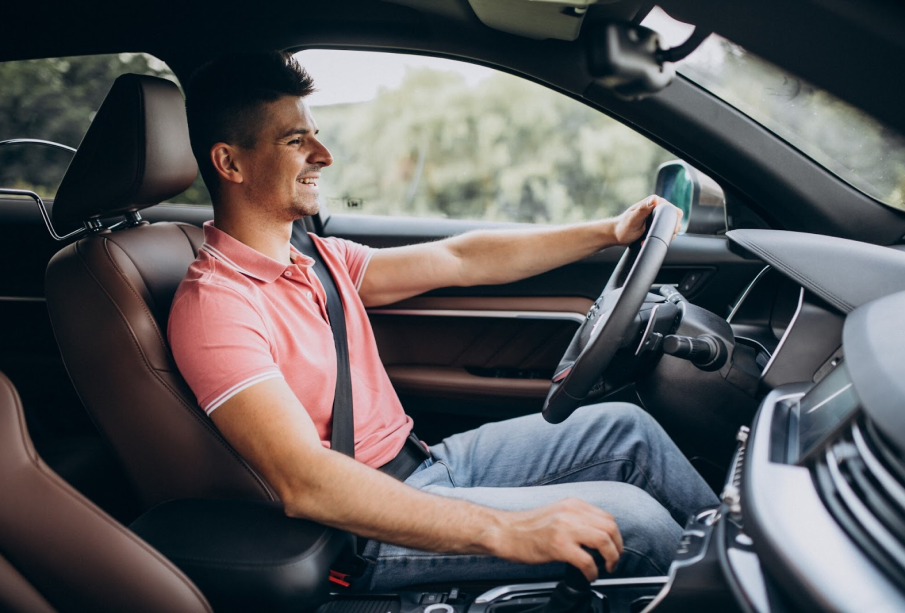
The modern driving experience is often less about the open road and more about navigating a sea of brake lights. With gridlock, construction delays, and tight schedules defining our daily commutes, the driver’s seat has increasingly become a hotbed for stress. This environment breeds road rage, a psychological state that transforms normal individuals into aggressive and unpredictable motorists.
Road rage is more than just shouting behind a closed window; it is a major safety hazard that leads to erratic maneuvers, collisions, and physical confrontations. Defusing this aggressive impulse requires a conscious shift in perspective and a practical toolkit of psychological and behavioral strategies. By understanding the triggers of road rage and mastering self-control, you can protect your physical safety and preserve your mental well-being on the highway.
The Psychology Behind Behind-the-Wheel Aggression
To successfully manage road rage, one must understand why it happens so easily. Driving creates a unique psychological environment characterized by anonymity and isolation. When tucked behind tinted windows and steel frames, drivers often stop viewing surrounding vehicles as human beings. Instead, those cars are perceived as inanimate obstacles blocking a personal path.
This dehumanization makes it incredibly easy to take the actions of other drivers personally. A sudden lane change or a failure to use a turn signal is rarely a calculated attack against you; it is usually the result of a distracted, confused, or inexperienced driver. However, under stress, the brain interprets these minor mistakes as deliberate acts of disrespect or aggression. This triggers a fight-or-flight response, causing adrenaline to spike and rational thought to take a backseat to anger.
Proactive Strategies to Prevent Driving Stress
The most effective way to handle road rage is to stop it from developing in the first place. By adjusting your habits before you even turn the ignition key, you can build a psychological buffer against traffic frustrations.
1. Give Yourself a Time Cushion
Time pressure is the primary fuel for aggressive driving. When you are running late for an important meeting or an appointment, every red light feels like a personal insult and every slow driver feels like a barrier to your success.
By leaving just fifteen minutes earlier than necessary, you radically alter your psychological approach to the drive. A delay that would otherwise cause panic becomes a minor inconvenience because your timeline accommodates the setback.
2. Control Your Immediate Environment
Your vehicle cabin should serve as a sanctuary from the chaotic outside world, not an incubator for stress. Use sensory inputs to actively lower your baseline anxiety levels.
-
Audio Choices: Opt for calming music, engaging audiobooks, or thought-provoking podcasts rather than aggressive talk radio or high-tempo playlists that naturally elevate your heart rate.
-
Climate and Ergonomics: Keep the cabin at a cool, comfortable temperature. Ensure your seating position is relaxed, and consciously check yourself to ensure you are not gripping the steering wheel with unnecessary force.
-
Aromatherapy: Subtle, calming scents like lavender or vanilla can subconsciously encourage a more relaxed physical state.
3. Reframe the Actions of Others
Cognitive reframing involves changing the narrative you tell yourself about a frustrating situation. When a vehicle cuts you off, you can choose to believe the driver is a reckless individual out to ruin your day, or you can choose a more charitable interpretation.
Assume the driver is rushing to a medical emergency, dealing with a crying child in the backseat, or simply having a terrible day. Even if your assumption is incorrect, adopting a compassionate perspective de-escalates your internal anger and prevents an aggressive retaliation.
In-the-Moment Techniques for Staying Grounded
When a stressful traffic situation unfolds right in front of you, anger can spike in a matter of seconds. Rely on physical and mental grounding techniques to maintain composure.
Controlled Breathing Exercises
Physical anger manifestations include shallow breathing, an elevated heart rate, and muscle tension. You can reverse this physiological response by taking control of your breath.
Practice box breathing: inhale deeply through your nose for four seconds, hold the breath for four seconds, exhale slowly through your mouth for four seconds, and pause for another four seconds before repeating. This simple exercise forces your nervous system out of fight-or-flight mode and restores logical reasoning.
The Power of Acceptance
Accept the absolute reality of traffic congestion. You cannot control the volume of cars on the freeway, the timing of construction zones, or the behavior of surrounding motorists. You can, however, control your reaction to them. Acknowledge that you are stuck in traffic, realize that anger will not move the cars any faster, and choose to use the time to relax or enjoy your audio selection.
Safely Handling Aggressive Drivers
Sometimes, the threat does not come from your own temper, but from someone else’s unchecked rage. Interacting with an aggressive driver requires extreme caution and a total abandonment of ego.
Avoid Eye Contact and Aggressive Gestures
Making direct eye contact with a raging driver is often interpreted as a challenge or an escalation. If someone is tailgating you, honking excessively, or shouting, look straight ahead. Avoid shaking your head, throwing your hands up, or returning vulgar gestures. Neutralize the interaction by refusing to participate in it.
Yield the Right of Way
If another motorist wants to speed past you or force their way into your lane, let them do so. Safely adjust your speed and create distance between your vehicle and theirs. Winning a behavioral argument on the highway is meaningless if it results in a high-speed accident. Put safety ahead of your right-of-way privileges.
Know When to Seek Help
If an aggressive driver begins following you, targeting your vehicle, or attempting to force you off the road, do not drive home. Leading an angry individual to your place of residence exposes your personal life to danger.
Instead, lock your doors, stay on main roads, and drive directly to the nearest police station or a well-lit, crowded public area. Call emergency services while driving and inform the dispatcher of your exact location, description of the aggressor’s vehicle, and license plate number.
Frequently Asked Questions
What should I do if my passenger is the one experiencing road rage and escalating a situation?
If your passenger is shouting or gesturing at other drivers, calmly but firmly ask them to stop. Explain that their behavior is distracting you from driving safely and is putting everyone in the car at risk. Remind them that your primary goal is to reach the destination safely, which requires a calm and focused environment inside the vehicle cabin.
How can I gently signal to another driver that I made an honest mistake without provoking anger?
If you accidentally cut someone off or cut a turn too close, a quick, polite wave of the hand is the universal sign of an apology. This simple acknowledgment shows the other driver that you recognize your error, are genuinely sorry, and were not acting out of malice, which instantly defuses potential resentment.
Are there specific times of day or days of the week when road rage is statistically more common?
Road rage and aggressive driving behaviors peak during evening rush hours, specifically between 4:00 PM and 7:00 PM on weekdays, as commuters experience fatigue from the workday and an urgency to get home. Fridays also see higher rates of aggression compared to earlier weekdays due to increased travel volumes and weekend traffic mix.
Does the type or color of a vehicle have any psychological correlation with aggressive driving?
Some studies suggest a correlation between high-performance vehicles or large SUVs and higher rates of aggressive behavior, often due to a subconscious feeling of power or isolation. However, road rage is fundamentally an individual psychological issue rooted in emotional regulation rather than an inherent trait driven by car models or colors.
How does chronic sleep deprivation affect a driver’s susceptibility to road rage?
Sleep deprivation severely impairs the prefrontal cortex, the area of the brain responsible for impulse control, rational decision-making, and emotional regulation. A tired driver has a significantly lower threshold for frustration, meaning minor traffic inconveniences that would normally be ignored can easily trigger a disproportionate, angry response.
What is the distinction between aggressive driving and criminal road rage from a legal standpoint?
Aggressive driving is typically categorized as a series of traffic violations committed without malice, such as speeding, tailgating, or weaving through traffic. Road rage transitions into a criminal offense when a driver intentionally uses their vehicle or a weapon to threaten, assault, or cause physical harm to another motorist or property.